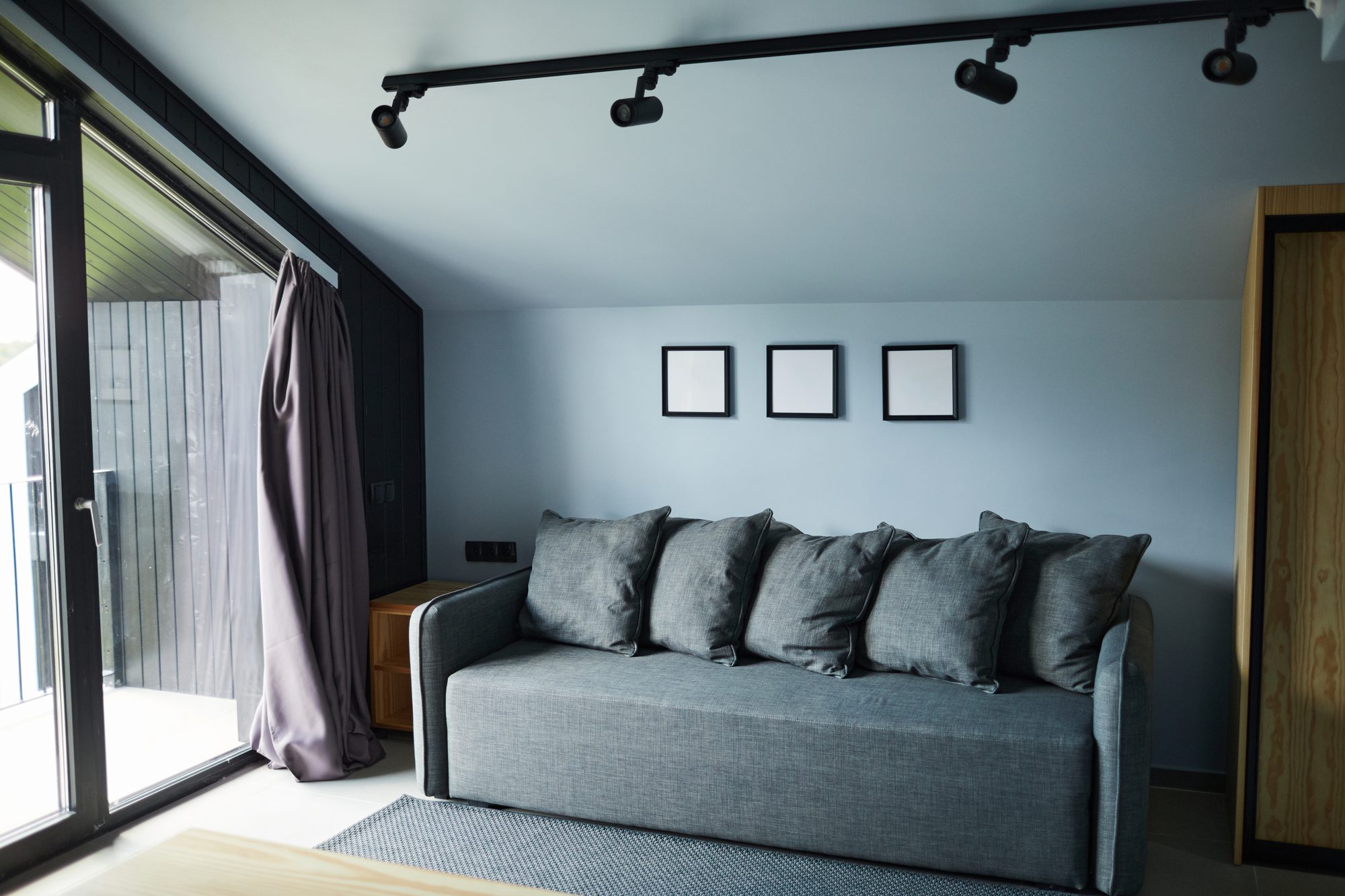
A good sofa bed means you can put up guests without giving up a whole room to a spare bed. A bad one means stiff backs and polite smiles at breakfast. Here’s how to tell the difference.
The main types of sofa bed
Click clack sofa beds
The backrest folds flat with a satisfying click to make a bed. They’re quick to use, usually affordable and often fit smaller rooms. Many also recline part way, which is handy for lounging. The sleeping surface is the seat cushion itself, so comfort depends on the foam.
Pull-out sofa beds
A separate mattress and frame fold out from under the seat. Because the mattress is separate, they’re often more comfortable for regular guests, but they need more floor space when open.
Corner sofa beds
A corner sofa with a pull-out section or a chaise that converts into a bed. Many include a storage box in the chaise, which is perfect for keeping bedding tidy.
What makes a sofa bed comfortable to sleep on
A decent foam depth or a proper mattress, not just thin cushions
A flat surface with no big gaps between sections
Enough length for an adult to stretch out, ideally around 180cm or more
A sturdy frame that doesn’t creak when you turn over
Measure the open size, not just the sofa
Check the bed’s open length and make sure you can still walk round it. Allow room for the backrest to drop or the mattress to pull out, and check there’s no radiator or coffee table in the way.
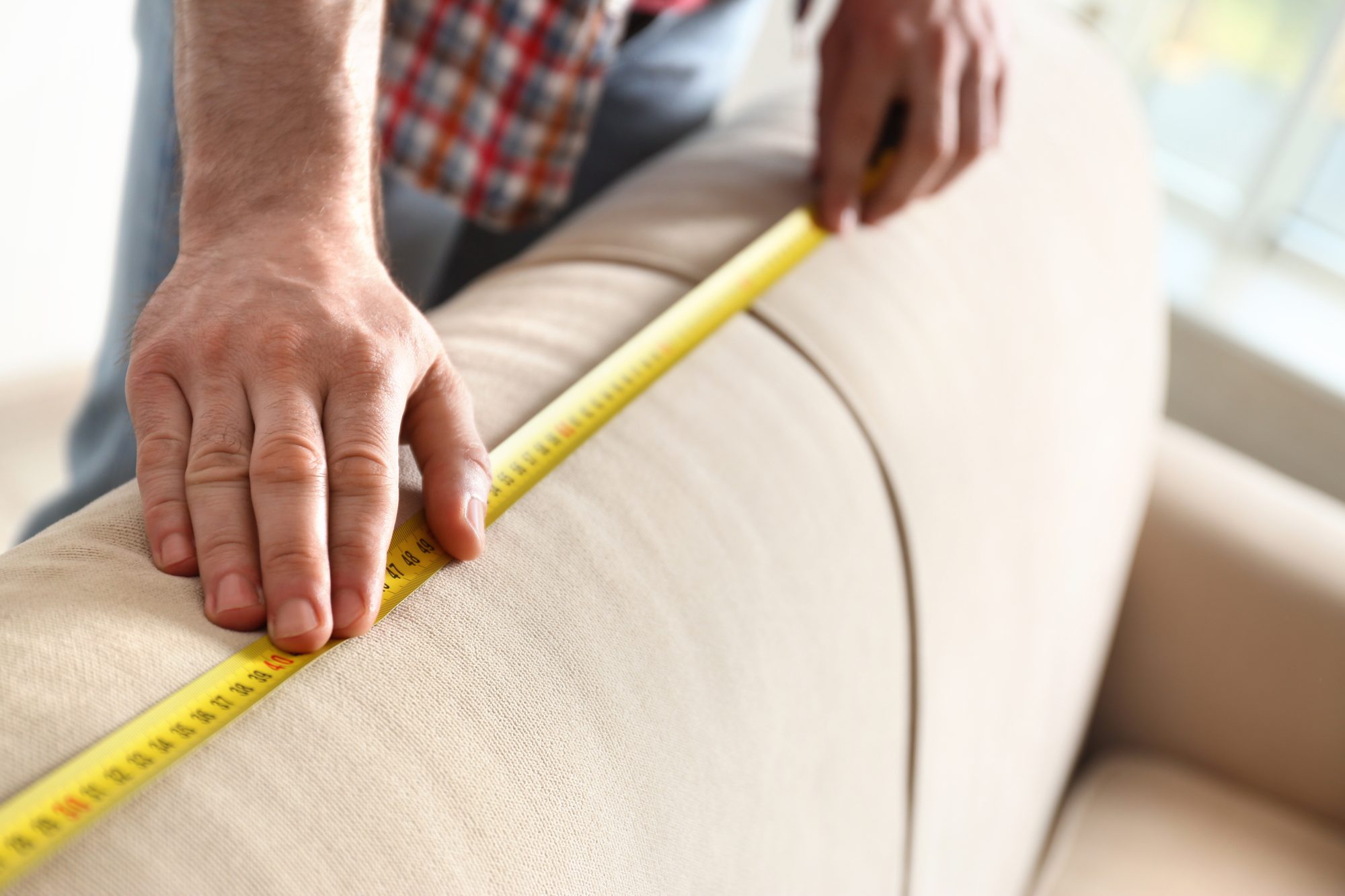
Buying a sofa online is easy right up until it arrives and won’t go round the bend in the hall. The good news is that a few minutes with a tape measure saves all that stress. This guide shows you how to measure for a sofa properly, from the space in your living room to every doorway on the way in.
Grab a tape measure, a notepad (or your phone) and a roll of masking tape. That’s all you need.
Step 1: Measure the space in the room
Start with the wall or area where the sofa will sit. Measure the full width you have available, then decide how much room you want either side for a lamp table, a radiator or simply space to walk past.
Next, measure how far the sofa can come out into the room. Leave around 45cm between the front of the sofa and a coffee table so people can get in and out comfortably, and roughly 75cm to 90cm for main walkways through the room.
Mark the sofa’s footprint on the floor with masking tape and live with it for a day. It tells you far more about the size than any number on a screen.
Step 2: Measure the way in
This is the step most people skip, and it’s the one that causes the most returns. Walk the route the sofa will take, from the front door to the room, and measure:
The width and height of every doorway (inside the frame, not the door itself)
The width of hallways and landings
The height and width of the stairwell, including the lowest point of the ceiling above the stairs
Any tight corners or turns, and the space you’d have to pivot the sofa
A standard UK internal door is roughly 76cm wide and 198cm high, but older homes vary a lot, so always measure your own.
Step 3: Check the sofa’s dimensions
Every sofa listing should give you three main measurements: width, depth and height. On our product pages we point you to them before you buy.
The figure that matters most for getting a sofa through a doorway is usually its depth and height, not its width. Sofas are normally carried in on their side or end, so compare the sofa’s depth and height against your door widths.
Diagonal depth
If the sofa’s depth is a little more than your doorway, check its diagonal depth. Measure from the top of the backrest to the front edge of the seat at an angle. If that’s smaller than the door width, it can usually be tilted through.
Step 4: Seat height and depth
Size isn’t just about fitting the room. Seat height affects how easy a sofa is to get up from, and seat depth decides whether you sit upright or sink right back.
Seat height of around 42cm to 48cm suits most people
A seat depth of 50cm to 60cm feels upright and supportive
Deep seats of 60cm or more are great for lounging, but shorter people may need cushions behind them
Step 5: Corner sofas and chaise ends
For a corner sofa, measure both walls from the corner outwards and note which side you want the long end on. Stand facing the sofa: if the long side or chaise is on your left, it’s left-hand facing. If it’s on your right, it’s right-hand facing.
Most corner sofas arrive in two or more sections, so check the size of the largest piece against your doorways rather than the whole sofa.
Standard sofa sizes
Sizes vary between makers, but these are typical ranges to help you shortlist:
Sofa type
Typical width
Typical depth
2 seater
140cm to 180cm
85cm to 95cm
3 seater
190cm to 230cm
85cm to 100cm
4 seater
230cm to 260cm
90cm to 100cm
Corner sofa
200cm to 300cm per side
90cm to 100cm
Do sofa measurements include the feet?
Usually yes, the height listed includes the feet. Many sofas have screw-off feet, which can buy you a few precious centimetres when getting through a tight door. Check the listing or the questions section on Amazon if you’re not sure.
Compact sofas for smaller rooms
If your measurements are tight, these compact picks are worth a look. They’re smaller than average or arrive in pieces, which makes delivery easier.
Measuring the room but not the hallway, stairs or doorways
Forgetting radiators, skirting boards and sockets behind the sofa
Not allowing extra space behind a recliner so it can lean back
Choosing the wrong hand on a corner sofa
Take ten minutes now and your new sofa will slide into place on delivery day. When you’re ready, browse our corner sofas or 2 seater sofas, with sizes on every pick.